How to Sell a Dental Practice to a DSO in 2026: 4-9x EBITDA and the Named DSO Set
Selling a dental practice to a DSO in 2026 clears 4-9x EBITDA depending on practice scale, specialty mix, and DSO archetype. Single-doctor GP practices at the low end (4-6x). Multi-location groups at platform scale (7-9x). Specialty practices (pediatric, ortho, endo) command premium multiples. Named DSOs actively acquiring include Heartland Dental, Aspen Dental, Smile Brands, MB2 Dental, and Pacific Dental Services. What decides where inside the band you land is production per chair, associate retention, and PPO participation strategy.
Quick Answer

Christoph Totter · Managing Partner, CT Acquisitions
Buy-side M&A across 76+ active capital partners · Dental DSO M&A: Heartland / Aspen / Smile Brands / MB2 · Updated June 16, 2026
A US dental practice selling to a DSO (Dental Service Organization) in 2026 typically commands roughly 4x to 9x EBITDA. Dental DSO M&A is one of the most active healthcare consolidations driven by aging-dentist retirement, recurring patient base, and PE-backed roll-ups. By profile: a single-doctor dental practice ($300-700k SDE) goes 3x-5x SDE; a profitable single-location practice with strong hygiene-recall and multi-modality (general + ortho + endo) at $500k-1.5M SDE goes 4x-6x SDE; a multi-location dental group (2-5 offices, $1.5-4M EBITDA) goes 5x-7x EBITDA; a regional dental platform (5-20 offices, $4-12M EBITDA, multi-state) goes 6x-8x; a premium scale platform (20+ offices, $12M+ EBITDA, named specialty integration including ortho/perio/endo/oral surgery) reaches 7x-9x+ EBITDA. Active dental DSO buyers include Heartland Dental (KKR + Ontario Teachers’ Pension Plan, the largest US dental DSO with ~2,500+ offices), Aspen Dental Management (Leonard Green Partners + Ares Management, ~1,000+ offices), Smile Brands (New Mountain Capital, ~900+ offices), MB2 Dental (Charlesbank Capital Partners, ~700+ offices, doctor-owned model), Western Dental & Orthodontics (PE-backed, ~280+ offices), Dental Care Alliance (Quad-C Management, ~370+ offices), Pacific Dental Services (private, ~900+ offices), 42 North Dental (Audax Group), Dentive (PE-backed), Mortenson Dental Partners (Audax Group + Genstar Capital). PE sponsors: KKR + Ontario Teachers’ Pension Plan, Leonard Green Partners + Ares Management, New Mountain Capital, Charlesbank Capital Partners, Quad-C Management, Audax Group, Genstar Capital. The biggest multiple drivers are hygiene-recall percentage (the recurring revenue moat), commercial payer mix, multi-modality (in-house ortho, endo, perio, oral surgery), modern dental tech (CAD/CAM same-day crowns, digital impressions, 3D imaging), and provider bench depth. Buyer-paid M&A advisory (CT Strategic Partners) costs the seller nothing.
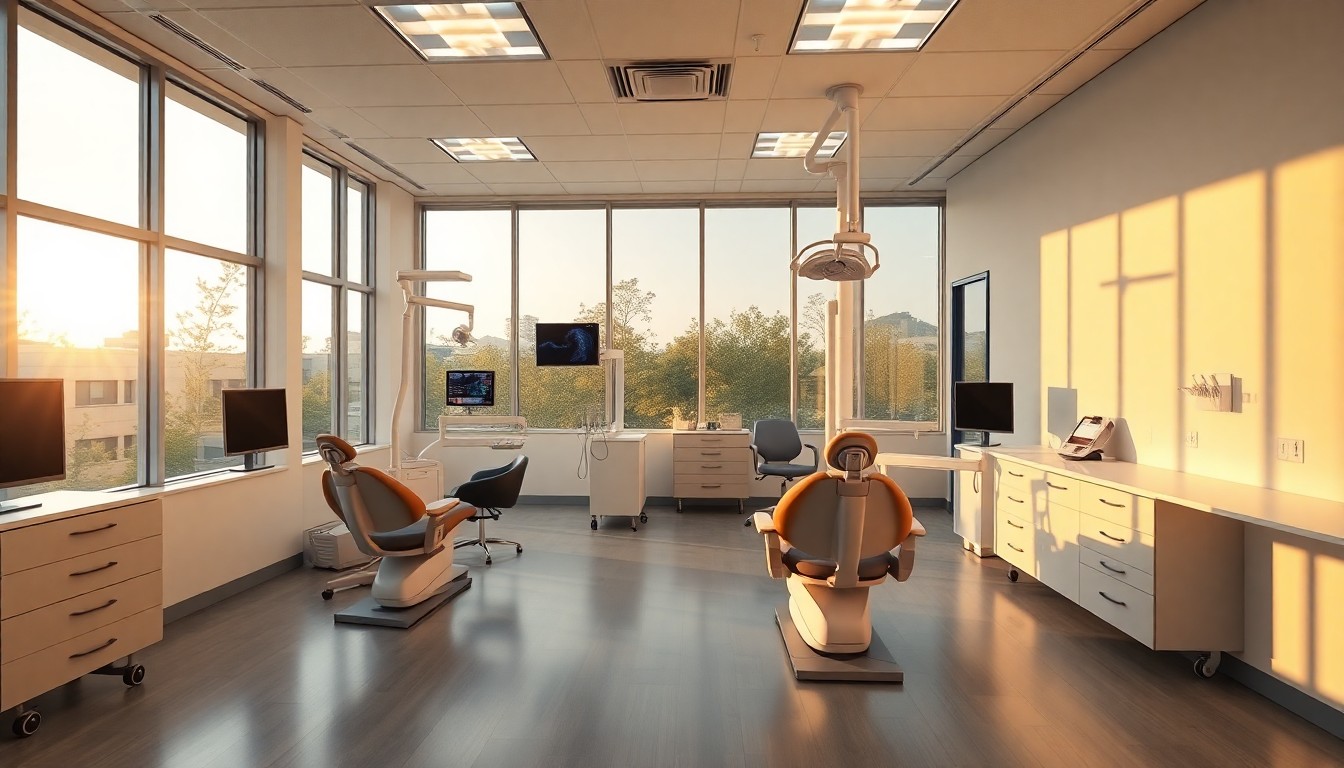
If you own a US dental practice in 2026, the dental DSO M&A market is one of the most active healthcare consolidations. Heartland Dental (KKR + Ontario Teachers’ Pension Plan) leads at ~2,500+ offices. Aspen Dental Management (Leonard Green Partners + Ares Management) operates ~1,000+ offices. Smile Brands, MB2 Dental, Pacific Dental Services, and Dental Care Alliance round out the major platforms. PE sponsors continue aggressive consolidation.
What the asset is worth depends on three things: (1) hygiene-recall percentage (the recurring revenue moat), (2) multi-modality service mix (in-house ortho, endo, perio, oral surgery), and (3) commercial payer mix plus modern dental tech (CAD/CAM, 3D imaging). This guide covers real multiples by profile, the named DSO buyers transacting, and the operator-level diligence buyers will run.
What this guide covers
- Dental DSO multiples 2026: 3x-5x SDE for single-doctor, 4x-6x SDE for profitable single-location, 5x-7x EBITDA for multi-location dental groups, 6x-8x for regional platforms, 7x-9x+ for premium scale with specialty integration.
- Active buyers: Heartland Dental (KKR + Ontario Teachers’ Pension Plan, ~2,500+ offices, largest US dental DSO), Aspen Dental Management (Leonard Green Partners + Ares Management, ~1,000+ offices), Smile Brands (New Mountain Capital, ~900+ offices), MB2 Dental (Charlesbank Capital Partners, ~700+ offices, doctor-owned model), Pacific Dental Services (private, ~900+ offices), Western Dental & Orthodontics (PE, ~280+ offices), Dental Care Alliance (Quad-C Management, ~370+ offices), 42 North Dental (Audax Group), Dentive (PE), Mortenson Dental Partners (Audax Group + Genstar Capital).
- PE sponsor activity: KKR + Ontario Teachers’ Pension Plan (Heartland Dental), Leonard Green Partners + Ares Management (Aspen Dental), New Mountain Capital (Smile Brands), Charlesbank Capital Partners (MB2 Dental), Quad-C Management (Dental Care Alliance), Audax Group (42 North + Mortenson), Genstar Capital (Mortenson).
- Multiple drivers: hygiene-recall percentage (recurring revenue moat), commercial payer mix, multi-modality (in-house ortho/endo/perio/oral surgery), modern dental tech (CAD/CAM, digital impressions, 3D CBCT), provider bench depth.
- Things that compress: weak hygiene-recall, owner-dentist dependence, Medicaid-heavy payer mix, weak commercial in-network status, legacy paper charting, single-location operators, no specialty integration.
- Sellers pay nothing on CT Strategic Partners’ buyer-paid advisory.
Dental DSO Sale Multiples (2026)
| Tier / Segment | Range (2026) |
|---|---|
| Single-doctor general dentistry | 4.0x-6.0x EBITDA |
| Multi-doctor with associates | 6.0x-8.0x EBITDA |
| Specialty (ortho / perio / endo / OMS / pediatric) | 7.0x-9.0x EBITDA |
| PE-platform-ready group practice | 8.0x-12.0x EBITDA |
| Active buyer pool | Heartland (KKR/OT), Aspen (LG/AS), Smile Brands (KKR), MB2 (Charlesbank), Pacific Dental |
Ranges reflect 2026 buy-side observations across active capital partners and named industry consolidators. Specific transaction outcomes vary by geography, customer concentration, and deal structure.
Named M&A transactions (2021-2025)
From the CT desk
What 2026 dental DSO M&A activity reveals
- •Active 2026 DSO buyers: Heartland Dental (KKR + Ontario Teachers, ~1,800 offices), Aspen Dental Management (Leonard Green + American Securities, ~1,100 offices), Smile Brands (KKR), MB2 Dental (Charlesbank), Smile Doctors (orthodontics specialty), Pacific Dental Services, Affordable Dentures & Implants, plus 12+ specialty DSO consolidators.
- •Single-doctor general dentistry clears 4x-6x EBITDA. Multi-doctor general dentistry with associates clears 6x-8x EBITDA. Specialty practices (orthodontics, periodontics, endodontics, oral surgery, pediatric) clear 7x-9x EBITDA. PE-platform-ready group practices ($3M+ EBITDA) clear 8x-12x EBITDA.
- •Patient-list portability across the doctor roster is the single largest valuation defensibility signal. Documented 3-5 year DDS retention agreements plus structured patient-transfer protocols defend platform-tier multiples; high owner-DDS brand dependency compresses 1x-2x EBITDA versus practices with documented multi-DDS continuity.
- •Most US states permit DSO arrangements via management-services-organization (MSO) structures where the DSO owns business assets and DDS-owned PC retains clinical control. North Carolina (corporate practice of dentistry restrictions), Texas (TDB rule), and California (specific MSO restrictions) materially affect deal-structure economics.
For 2026 sell a women’s health practice at 6x-12x EBITDA with named buyers (Axia, Unified Women’s, Pediatrix), MSO playbook, see our reference.
| Target | Buyer | Year | What it tells us |
|---|---|---|---|
| Heartland Dental continued growth | KKR + Ontario Teachers’ Pension Plan | 2022-2025 | Largest US dental DSO continues aggressive tuck-in M&A; crossed 2,500+ offices. |
| Aspen Dental Management investment | Leonard Green Partners + Ares Management | 2022-2025 | Major PE-backed DSO continues regional rollups. |
| Smile Brands continued M&A | New Mountain Capital | 2022-2025 | Major PE-backed DSO continues consolidation. |
| MB2 Dental doctor-owned growth | Charlesbank Capital Partners | 2022-2025 | PE-backed doctor-owned model DSO continues regional rollups. |
| Mortenson Dental Partners | Audax Group + Genstar Capital | 2024 | PE-backed dental platform recapitalization. |
The named buyer landscape
Top-tier national dental DSOs
- Heartland Dental (KKR + Ontario Teachers’ Pension Plan, ~2,500+ offices) — the largest US dental DSO.
- Aspen Dental Management (Leonard Green Partners + Ares Management, ~1,000+ offices).
- Pacific Dental Services (private, ~900+ offices) — large private DSO.
- Smile Brands (New Mountain Capital, ~900+ offices).
Major regional and specialty DSOs
- MB2 Dental (Charlesbank Capital Partners, ~700+ offices) — doctor-owned model.
- Dental Care Alliance (Quad-C Management, ~370+ offices).
- Western Dental & Orthodontics (PE-backed, ~280+ offices) — California-anchored.
- 42 North Dental (Audax Group).
- Mortenson Dental Partners (Audax Group + Genstar Capital).
- Dentive (PE-backed).
PE sponsors active in this space
- KKR + Ontario Teachers’ Pension Plan (Heartland Dental), Leonard Green Partners + Ares Management (Aspen Dental Management), New Mountain Capital (Smile Brands), Charlesbank Capital Partners (MB2 Dental), Quad-C Management (Dental Care Alliance), Audax Group (42 North + Mortenson co-sponsor), Genstar Capital (Mortenson co-sponsor).
What each buyer will pay for vs. what they reject
- Will pay premium for: high hygiene-recall percentage (45%+ hygiene revenue is the recurring moat), multi-modality (in-house orthodontic, endodontic, periodontic, oral surgery, pediatric dentistry), commercial PPO payer mix 55%+, modern dental tech (CAD/CAM same-day crowns like CEREC, digital impressions like iTero or Trios, 3D CBCT imaging like Carestream or Planmeca, AI radiograph analysis), provider bench depth (associate doctors + hygienists), real-estate optionality, multi-state platform scale.
- Will compress or reject: weak hygiene-recall, owner-dentist dependence (one-doctor practice), Medicaid-heavy payer mix above 40%, weak commercial in-network status, legacy paper charting or outdated software (Dentrix Ascend, Eaglesoft modern; Dentrix Classic legacy), single-location operators, no specialty integration, weak associate-doctor bench.
The operator-level KPI playbook buyers will diligence
Revenue mix and hygiene-recall
- Hygiene revenue percentage: 45%+ is benchmark for premium recall-based multiple.
- Restorative dentistry mix.
- Specialty mix: Orthodontic, endodontic, periodontic, oral surgery, pediatric, prosthodontic, implant.
- Average production per dentist.
- Average production per hygienist.
Payer mix and in-network
- Commercial PPO percentage: 55%+ benchmark.
- Medicaid percentage.
- Self-pay / cash percentage.
- Top-5 PPO in-network status: Delta Dental, MetLife, Cigna, Aetna, Guardian.
- Membership plan revenue.
Dental technology
- Practice management software: Dentrix Ascend, Eaglesoft, Open Dental, Curve Hero, Dentrix Classic (legacy).
- CAD/CAM same-day crowns: CEREC, Planmeca Romexis, etc.
- Digital impressions: iTero, Trios, Medit.
- 3D CBCT imaging: Carestream, Planmeca, Vatech, J. Morita.
- AI radiograph analysis: Pearl, Overjet, VideaHealth.
Provider bench
- Owner-dentist work percentage (less is better).
- Associate dentist count and tenure.
- Hygienist count and tenure.
- Specialist coverage (in-house or referred).
- Equity-rollover expectations (DSO deals typically 20-35% rollover).
Dangers and traps
1. Owner-dentist dependence
Single-doctor practices where the owner-dentist produces 70%+ of revenue have transferability risk.
2. Weak hygiene-recall
Below 40% hygiene revenue compresses meaningfully; hygiene-recall is the recurring moat in dentistry.
3. Medicaid-heavy payer mix
Above 40% Medicaid materially compresses.
4. Legacy paper charting / outdated software
Modern PMS (Dentrix Ascend, Eaglesoft, Open Dental) is the benchmark.
5. No specialty integration
Single-modality general dentistry compresses vs. multi-modality.
6. Weak commercial in-network status
Out-of-network with top-5 PPOs (Delta Dental, MetLife, Cigna, Aetna, Guardian) compresses.
7. Associate-doctor bench gaps
Premium DSO buyers require associate-doctor bench, not single-doctor production.
8. Equity-rollover expectations vs. cash-at-close
DSO deals typically include 20-35% equity rollover for selling dentists.
Our POV in 2026
Dental DSO M&A is one of the most active healthcare consolidations. Heartland Dental (KKR + Ontario Teachers’ Pension Plan) leads at ~2,500+ offices. Aspen Dental Management (Leonard Green Partners + Ares Management), Smile Brands (New Mountain Capital), MB2 Dental (Charlesbank Capital Partners), and Pacific Dental Services round out the top-tier. PE sponsors continue aggressive consolidation.
The right time to prepare is 12-18 months before going to market — build hygiene-recall, develop specialty integration, modernize dental tech, build associate-doctor bench.
Preparing your business for sale: 12-18 months out
- Get multi-year audited financials.
- Build hygiene-recall percentage to 45%+.
- Develop specialty integration (in-house ortho, endo, perio, oral surgery).
- Modernize dental tech (CAD/CAM, digital impressions, 3D CBCT, AI radiograph analysis).
- Confirm commercial PPO in-network status (Delta Dental, MetLife, Cigna, Aetna, Guardian).
- Build associate-doctor and hygienist bench.
- Document add-backs.
- Resolve any state dental board matters.
- Run a competitive process. Heartland Dental (KKR + Ontario Teachers’ Pension Plan), Aspen Dental Management (Leonard Green Partners + Ares Management), Pacific Dental Services, Smile Brands (New Mountain Capital), MB2 Dental (Charlesbank Capital Partners), Dental Care Alliance (Quad-C Management), 42 North Dental (Audax Group), Mortenson Dental Partners (Audax + Genstar), plus PE sponsors directly.
The vertical-specific prep sequence is covered on our preparing a dental practice for sale.
About the Author
Christoph Totter is the founder of CT Acquisitions, a buy-side partner headquartered in Sheridan, Wyoming. We work directly with 76+ buyers, search funders, family offices, lower middle-market PE, and strategic consolidators, including direct mandates with the largest home services consolidators that other intermediaries can’t access. The buyers pay us when a deal closes, not the seller. No retainer, no exclusivity, no contract until close. Connect on LinkedIn · Get in touch
Free, No Email Required
Get a personalized valuation in 90 seconds
Answer six quick questions and we’ll give you a sector-adjusted EBITDA multiple range plus the specific factors driving your number up or down.
The five pillars of how CT Acquisitions works
Buyer pays our fee. Founders never write a check.
No engagement letter. No upfront cost. No exclusivity contract.
Search funders, family offices, lower-middle-market PE, strategics.
Confidential introductions to the right buyers. No bidding war.
Not 9-12 months. Not 18 months. Months, not years.
No Pitch · No Pressure
Ready to start a confidential conversation?
Tell us about your business. We’ll tell you what it’s likely worth, whether we have qualified buyers in our network, and what the next 60-120 days could look like. No engagement letter. No retainer. Walk at any time.
Frequently asked questions
What is the typical multiple for a dental practice selling to a DSO in 2026?
Single-doctor practices ($300-700k SDE) typically sell at 3x-5x SDE. Profitable single-location practices with hygiene-recall and multi-modality ($500k-1.5M SDE) go 4x-6x SDE. Multi-location dental groups (2-5 offices, $1.5-4M EBITDA) go 5x-7x EBITDA. Regional dental platforms (5-20 offices, $4-12M EBITDA, multi-state) go 6x-8x. Premium scale platforms (20+ offices, $12M+ EBITDA, named specialty integration) reach 7x-9x+.
Who are the active dental DSO buyers right now?
Top-tier national: Heartland Dental (KKR + Ontario Teachers’ Pension Plan, ~2,500+ offices, largest US dental DSO), Aspen Dental Management (Leonard Green Partners + Ares Management, ~1,000+ offices), Pacific Dental Services (private, ~900+ offices), Smile Brands (New Mountain Capital, ~900+ offices), MB2 Dental (Charlesbank Capital Partners, ~700+ offices, doctor-owned model). Major regional/specialty: Western Dental & Orthodontics, Dental Care Alliance (Quad-C Management), 42 North Dental (Audax Group), Mortenson Dental Partners (Audax + Genstar Capital), Dentive.
What hurts a dental practice’s valuation to a DSO most?
Owner-dentist dependence (single-doctor production above 70%), weak hygiene-recall (below 40%), Medicaid-heavy payer mix above 40%, weak commercial PPO in-network status, legacy paper charting or outdated practice management software, single-location operations, no specialty integration, weak associate-doctor bench.
Why is hygiene-recall percentage so important?
Hygiene-recall (preventive cleanings + exams on a recurring 6-month schedule) is the recurring revenue moat in dentistry. Patients with established hygiene recall return repeatedly, drive restorative diagnoses, and generate predictable revenue. Practices with 45%+ hygiene revenue percentage achieve premium DSO multiples because of revenue predictability and patient stickiness.
What is the typical equity rollover in a DSO transaction?
DSO deals typically include 20-35% equity rollover for the selling dentists. The rollover equity participates in the next platform exit (typically 4-7 years out). Understanding rollover valuation and second-sale terms is critical before signing LOI.
Do I have to pay a broker fee?
No. CT Strategic Partners runs a buyer-paid M&A advisory model. The seller pays nothing.
How long does it take to sell a dental practice to a DSO?
Typical process 4-7 months. Add 12-18 months of preparation work before going to market.
When should I start preparing if I plan to sell in 2027 or 2028?
12-18 months before going to market. Highest-leverage work: build hygiene-recall, develop specialty integration, modernize dental tech, build associate-doctor bench.
Related research
- How to sell a dental practice (general)
- Dental practice valuation calculator
- Orthodontic practice valuation
- Dental practice sale agreement
- Dental practice sale contract
- How to sell an ophthalmology practice
- How to sell a dermatology practice
- Healthcare business valuation
- Which industries is PE buying most in 2026
- Business broker alternative