Home / Sell Your Business / Septic
Sell Your Septic Business Without a 6-12% Broker Fee
Selling a septic business in 2026 typically closes in 60-120 days with a buy-side advisor — vs 9-12 months with a traditional broker charging 6-12% of the sale price. Below: the exact process, who is buying, what they pay, and how to skip the 6-12% commission entirely.
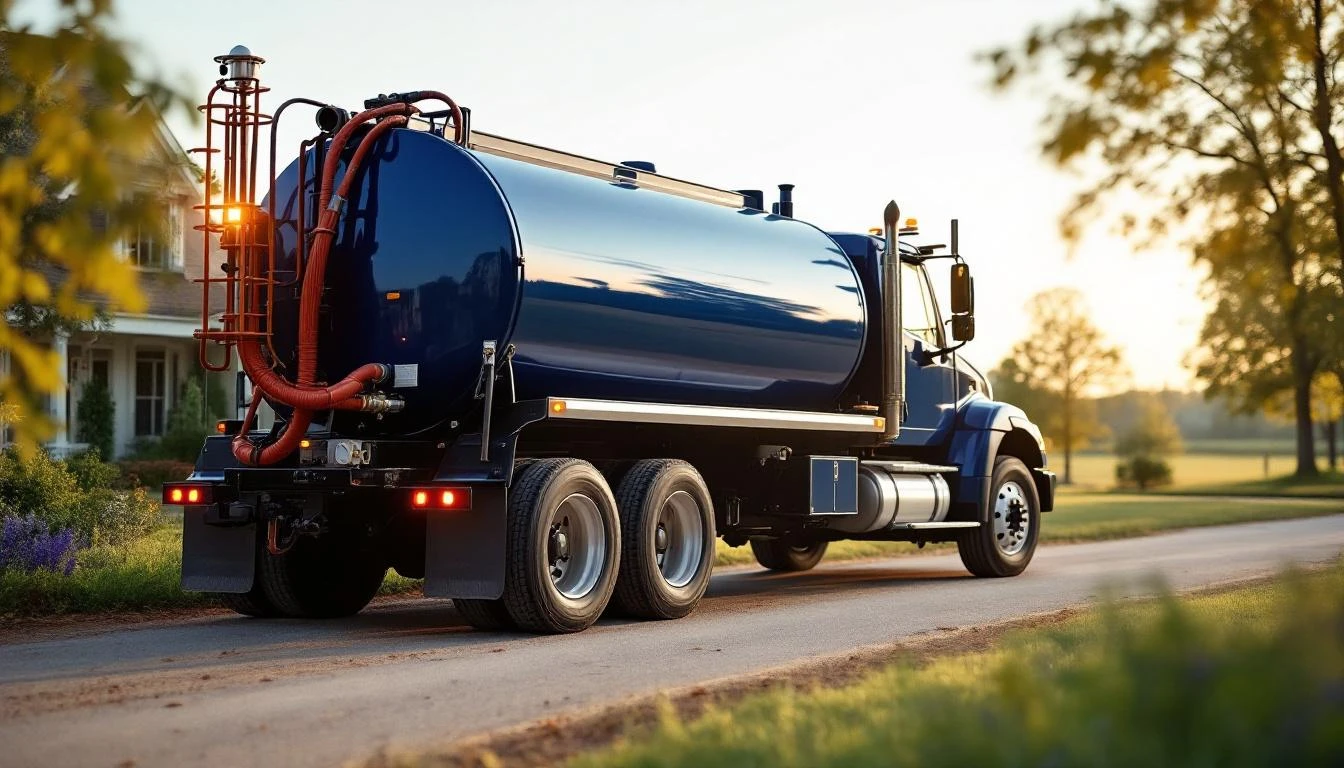
Sell Your Septic Business
We make direct introductions to 100+ active buyers, including PE platforms, family offices, and search funders. Complete confidentiality. No fees to sellers, no exclusivity, walk away anytime.
Quick Answer
If you are looking to sell your septic business, most owner-operator septic and liquid waste companies trade at roughly 2.5x to 3.5x SDE, while established multi-truck operations with recurring pumping routes trade at 4x to 6x EBITDA. The single biggest value driver is recurring contract revenue: scheduled pumping and maintenance, not one-off installs. Route density, owned fleet, clean transferable licensing, and management depth all move the multiple. A pumping route with predictable recurring revenue earns a premium and draws competitive buyer interest.
Updated May 2026 · 11 min read
Key Takeaways
- For 2026 how to sell a recycling business with multiples by subsegment (scrap, MRF, plastics, e-waste) and named buyers (Radius, Republic, GFL, Casella), see our guide.
- Septic and liquid waste services have moved squarely onto the radar of private equity.
- Two septic businesses with identical revenue can sell for very different multiples.
- Some issues consistently pull septic valuations down.
- Most septic business acquisitions follow a similar shape.
What Is My Septic Business Worth, and How Do I Sell It?
For 2026 how to sell a recycling business with multiples by subsegment (scrap, MRF, plastics, e-waste) and named buyers (Radius, Republic, GFL, Casella), see our guide. Septic and liquid waste valuations are driven by one thing above all: how much of your revenue is recurring. Pumping and maintenance contracts, not one-off installs, are what buyers pay a premium for. Most owner-operator septic businesses trade at roughly 2.5x to 3.5x SDE.
For 2026 how to sell a recycling business with multiples by subsegment (scrap, MRF, plastics, e-waste) and named buyers (Radius, Republic, GFL, Casella), see our guide.
Septic and liquid waste valuations are driven by one thing above all: how much of your revenue is recurring. Pumping and maintenance contracts, not one-off installs, are what buyers pay a premium for. Most owner-operator septic businesses trade at roughly 2.5x to 3.5x SDE; established multi-truck operations with recurring routes trade at 4x to 6x EBITDA, and platform-quality businesses with dense routes and clean licensing reach higher.
| Profile | Typical multiple | Why |
|---|---|---|
| Owner-operator, install-heavy | 2.5x to 3.5x SDE | Lumpy revenue, owner does the work |
| Established, recurring routes | 4x to 6x EBITDA | Predictable pumping and maintenance income |
| Platform-quality operator | 6x+ EBITDA | Dense routes, management depth, clean license transfer |
If you are researching what your septic business is worth, the honest answer is that a confidential conversation will tell you far more than any formula. The difference between a 3x and a 6x outcome is usually route density, contracted recurring revenue, and how cleanly your licensing and disposal relationships transfer.

What Is Your Septic Business Actually Worth?
Recurring pumping revenue, route density, owned fleet, and clean licensing all move your multiple. Run the calculator for a quick valuation range, or send us a note for a personalized response.
2-minute calculator. No email required to see your range.
Why Private Equity Is Consolidating Septic and Liquid Waste
Septic and liquid waste services have moved squarely onto the radar of private equity. The logic is the same one driving consolidation across home and field services: recurring, non-discretionary demand, fragmented mom-and-pop ownership, and real route density economics. Every property on septic needs pumping every few years, regardless of the economy. Recurring, regulated demand. Septic systems must be pumped and maintained on a schedule; many jurisdictions mandate it. Route density.
Septic and liquid waste services have moved squarely onto the radar of private equity. The logic is the same one driving consolidation across home and field services: recurring, non-discretionary demand, fragmented mom-and-pop ownership, and real route density economics. Every property on septic needs pumping every few years, regardless of the economy.
- Recurring, regulated demand. Septic systems must be pumped and maintained on a schedule; many jurisdictions mandate it.
- Route density wins. A buyer that already runs trucks in your county can bolt on your customers at high incremental margin.
- Fragmented ownership. The sector is overwhelmingly small, owner-operated businesses, ideal tuck-in targets.
- Disposal and licensing moats. Permitted disposal access and transferable licensing are genuine barriers that protect a buyer’s investment.
What Separates a 3x Septic Business From a 6x Business
Two septic businesses with identical revenue can sell for very different multiples. What separates a 3x business from a 6x business comes down to a handful of factors buyers underwrite hard: Recurring contract revenue. Scheduled pumping and maintenance agreements are worth far more than install or emergency work. Route density. Tight, efficient routes mean lower cost per stop and higher margins a buyer can underwrite. Owned, well-maintained fleet. Pump trucks.
Two septic businesses with identical revenue can sell for very different multiples. What separates a 3x business from a 6x business comes down to a handful of factors buyers underwrite hard:
- Recurring contract revenue. Scheduled pumping and maintenance agreements are worth far more than install or emergency work.
- Route density. Tight, efficient routes mean lower cost per stop and higher margins a buyer can underwrite.
- Owned, well-maintained fleet. Pump trucks and vacuum tankers in good condition reduce a buyer’s capital risk.
- Clean licensing and disposal access. Transferable permits and established disposal site relationships are critical to a smooth deal.
- Management depth. A business that does not depend on the owner for dispatch, sales, and field work commands a premium.

What red flags lower septic business valuations?
Some issues consistently pull septic valuations down. If any of these apply, address them well before you go to market: Install-only revenue. No recurring pumping base means a buyer is buying a job, not a business. Owner dependence. If you personally run the routes, hold the license, or own every customer relationship, the business is hard to transfer. Customer concentration. Heavy reliance on a few commercial accounts or one municipality.
Some issues consistently pull septic valuations down. If any of these apply, address them well before you go to market:
- Install-only revenue. No recurring pumping base means a buyer is buying a job, not a business.
- Owner dependence. If you personally run the routes, hold the license, or own every customer relationship, the business is hard to transfer.
- Customer concentration. Heavy reliance on a few commercial accounts or one municipality is a risk buyers discount.
- Aging or undersized fleet. Trucks near end of life mean immediate capital expense for the buyer.
- Disposal uncertainty. No secure, permitted disposal arrangement is a deal-level risk.
- Messy books. Cash handling and unrecorded work make it hard to prove real earnings and slow diligence.
How are septic business deals typically structured?
Most septic business acquisitions follow a similar shape. Expect 60% to 80% of the purchase price as cash at close , with the balance in an earnout, a seller note, and, with platform buyers, rollover equity. Cash at close: 60% to 80%, higher for recurring-revenue operators. Earnout: 10% to 25%, tied to revenue retention over 12 to 24 months. Rollover equity: 10% to 20% is common with PE platforms.
Most septic business acquisitions follow a similar shape. Expect 60% to 80% of the purchase price as cash at close, with the balance in an earnout, a seller note, and, with platform buyers, rollover equity.
- Cash at close: 60% to 80%, higher for recurring-revenue operators.
- Earnout: 10% to 25%, tied to revenue retention over 12 to 24 months.
- Rollover equity: 10% to 20% is common with PE platforms.
Who Is Actually Buying Septic Businesses?
The buyer pool for a quality septic business is wider than most owners realize. Most owners only hear from one or two buyers through cold outreach; the real addressable pool is far larger: PE-backed environmental and liquid waste platforms. National and regional roll-ups actively acquiring pumping and septic routes. Regional consolidators. Larger septic and portable sanitation operators expanding route density in adjacent counties. Strategic acquirers. Waste, environmental, and field-service companies.
The buyer pool for a quality septic business is wider than most owners realize. Most owners only hear from one or two buyers through cold outreach; the real addressable pool is far larger:
- PE-backed environmental and liquid waste platforms. National and regional roll-ups actively acquiring pumping and septic routes.
- Regional consolidators. Larger septic and portable sanitation operators expanding route density in adjacent counties.
- Strategic acquirers. Waste, environmental, and field-service companies adding septic as a service line.
- Search funders and independent sponsors. Individual buyers and small funds drawn to the recurring, essential nature of the work.
CT Acquisitions introduces you confidentially to the buyers actually mandated to acquire septic businesses, so you see a competitive picture instead of a single lowball offer.
How to Sell a Septic Business: The Process
If you are researching how to sell your septic business, the process is more controlled than most owners expect. It is not a public listing. It is a confidential, competitive process run directly with the buyers most likely to pay the most: Confidential consultation. We learn about your septic business, your goals, and your timeline, and give you an honest read on your valuation range. Valuation and positioning. We help.
If you are researching how to sell your septic business, the process is more controlled than most owners expect. It is not a public listing. It is a confidential, competitive process run directly with the buyers most likely to pay the most:
- Confidential consultation. We learn about your septic business, your goals, and your timeline, and give you an honest read on your valuation range.
- Valuation and positioning. We help you present your strengths to maximize the multiple.
- Targeted introductions. We introduce you directly to PE platforms, environmental consolidators, strategics, and search funders mandated to buy these businesses.
- Deal support through closing. We stay involved through LOI, due diligence, and closing so the final terms reflect what your business is worth.
CT Acquisitions is paid by the buyer at close, so there is no cost to you as the seller.
Why We’re Different From a Traditional Business Broker
Most owners assume selling means hiring a business broker, signing a 12-month exclusive listing agreement, and paying a hefty success fee out of their proceeds. CT Acquisitions works differently. We are a buy-side M&A partner, not a seller’s broker: The buyer pays our fee, not you. 100% of the agreed price goes to you. No exclusivity, no lock-in. No retainer and no contract until a deal you choose to accept.
Most owners assume selling means hiring a business broker, signing a 12-month exclusive listing agreement, and paying a hefty success fee out of their proceeds. CT Acquisitions works differently. We are a buy-side M&A partner, not a seller’s broker:
- The buyer pays our fee, not you. 100% of the agreed price goes to you.
- No exclusivity, no lock-in. No retainer and no contract until a deal you choose to accept closes.
- Direct buyer relationships, not a public listing. We introduce you confidentially to 100+ active buyers already mandated to acquire these businesses.
- We work for the deal, not the listing. Our job runs through LOI, diligence, and closing.
How Long Does It Take to Sell a Septic Business?
For a well-prepared septic business, a typical sale runs four to seven months from first conversation to close: a few weeks to organize financials, several weeks to run a confidential buyer process, a couple of weeks to negotiate a letter of intent, and six to ten weeks of due diligence and legal work to closing.
For a well-prepared septic business, a typical sale runs four to seven months from first conversation to close: a few weeks to organize financials, several weeks to run a confidential buyer process, a couple of weeks to negotiate a letter of intent, and six to ten weeks of due diligence and legal work to closing. Clean financials speed diligence; owner dependence and customer concentration are the most common reasons a deal stalls. Our owner’s exit checklist walks through what to have ready.
When Is the Best Time to Sell a Septic Business?
The best time to sell is when buyer demand, your financial trajectory, and your personal readiness line up. Consolidation in this sector is active right now. Buyers pay the most for a business on an upward trend, so the strongest outcomes come from selling after two to three years of steady growth. If you expect to exit within two to three years, the most valuable move today is a confidential.
The best time to sell is when buyer demand, your financial trajectory, and your personal readiness line up. Consolidation in this sector is active right now. Buyers pay the most for a business on an upward trend, so the strongest outcomes come from selling after two to three years of steady growth. If you expect to exit within two to three years, the most valuable move today is a confidential conversation about where your business stands.
Thinking About Selling? Let’s Talk.
15 minutes, confidential, no contract, no cost, no fees to sellers. You leave with a clear sense of what your septic business is worth, who would compete to buy it, and whether now is the right time. If selling is not the right move, we will tell you that directly.

About the Author
Christoph Totter is the founder of CT Acquisitions, a buy-side partner headquartered in Sheridan, Wyoming. We work directly with 100+ buyers: search funders, family offices, lower middle-market PE, and strategic consolidators. The buyers pay us when a deal closes, not the seller. No retainer, no exclusivity, no contract until close. Connect on LinkedIn · Get in touch
Find Your State
We work with septic services business owners across the country. Below are the states with growing acquisition demand: Alabama Alaska Arizona Arkansas California Colorado Connecticut Delaware Florida Georgia Hawaii Idaho Illinois Indiana Iowa Kansas Kentucky Louisiana Maine Maryland Massachusetts Michigan Minnesota Mississippi Missouri Montana Nebraska Nevada New Hampshire New Jersey New Mexico New York North Carolina North Dakota Ohio Oklahoma Oregon Pennsylvania Rhode Island South Carolina South Dakota Tennessee Texas.
We work with septic services business owners across the country. Below are the states with growing acquisition demand:
- Alabama
- Alaska
- Arizona
- Arkansas
- California
- Colorado
- Connecticut
- Delaware
- Florida
- Georgia
- Hawaii
- Idaho
- Illinois
- Indiana
- Iowa
- Kansas
- Kentucky
- Louisiana
- Maine
- Maryland
- Massachusetts
- Michigan
- Minnesota
- Mississippi
- Missouri
- Montana
- Nebraska
- Nevada
- New Hampshire
- New Jersey
- New Mexico
- New York
- North Carolina
- North Dakota
- Ohio
- Oklahoma
- Oregon
- Pennsylvania
- Rhode Island
- South Carolina
- South Dakota
- Tennessee
- Texas
- Utah
- Vermont
- Virginia
- Washington
- West Virginia
- Wisconsin
- Wyoming
Don’t see your state? Contact us. CT Acquisitions works with septic services business owners in all 50 states.
What international septic M&A coverage is available?
CT Acquisitions advises owners selling septic businesses across four jurisdictions outside the US. Each page is jurisdiction-specific: PE buyer list, multiples bands by EBITDA tier, regulator-transfer mechanics, and the local tax-arbitrage window. The Uk Canada Australia Ireland.
CT Acquisitions advises owners selling septic businesses across four jurisdictions outside the US. Each page is jurisdiction-specific: PE buyer list, multiples bands by EBITDA tier, regulator-transfer mechanics, and the local tax-arbitrage window.
What EBITDA multiples apply by deal size in 2026?
EBITDA multiples for lower middle market businesses vary by size, buyer type, and vertical. The table below shows typical bands for privately-held sellers in 2026 based on GF Data and Axial 2025 benchmarks.
| EBITDA size band | Typical multiple | Dominant buyer type |
|---|---|---|
| $500K to $1M | 3.0x to 4.5x | Individual buyers, ETA, small local PE |
| $1M to $3M | 4.0x to 6.0x | Search funds, small PE, family offices |
| $3M to $10M | 5.5x to 8.0x | Lower middle market PE, strategic tuck-ins |
| $10M to $25M | 7.0x to 10.5x | Middle market PE platforms, strategic acquirers |
Frequently Asked Questions
How do I sell my septic business?
Start with a confidential conversation, not a public listing. To sell your septic business well, you organize clean financials, present your recurring route revenue and licensing clearly, and let a competitive set of buyers respond. CT Acquisitions runs that process for you and is paid by the buyer at close.
What is my septic business worth?
Most owner-operator septic businesses sell for 2.5x to 3.5x SDE. Established operations with recurring pumping routes sell for 4x to 6x EBITDA, and platform-quality businesses with dense routes and clean licensing reach higher. Recurring contract revenue is the single biggest driver.
What is the best way to sell a septic and liquid waste business?
The best way to sell a septic and liquid waste business is a confidential, competitive process run directly with the buyers most likely to pay the most, not a public listing. That protects your customers and employees and produces real competition for your business.
Will my employees know I am selling?
No. The process is fully confidential. Your septic business is never publicly listed. Employees and customers are not informed unless and until you decide to tell them, typically after a deal is signed.
How much does CT Acquisitions charge?
Nothing. CT Acquisitions is paid by the buyer at close, so there is no cost to you as the seller. No retainer, no listing fee, no success fee.