Home / Sell Your Business / Water & Wastewater
Sell Your Water and Wastewater Business in 2026: Named PE Buyers, PFAS Premium, Buyer-Paid
Selling a water wastewater business in 2026 typically closes in 60-120 days with a buy-side advisor — vs 9-12 months with a traditional broker charging 6-12% of the sale price. Below: the exact process, who is buying, what they pay, and how to skip the 6-12% commission entirely.
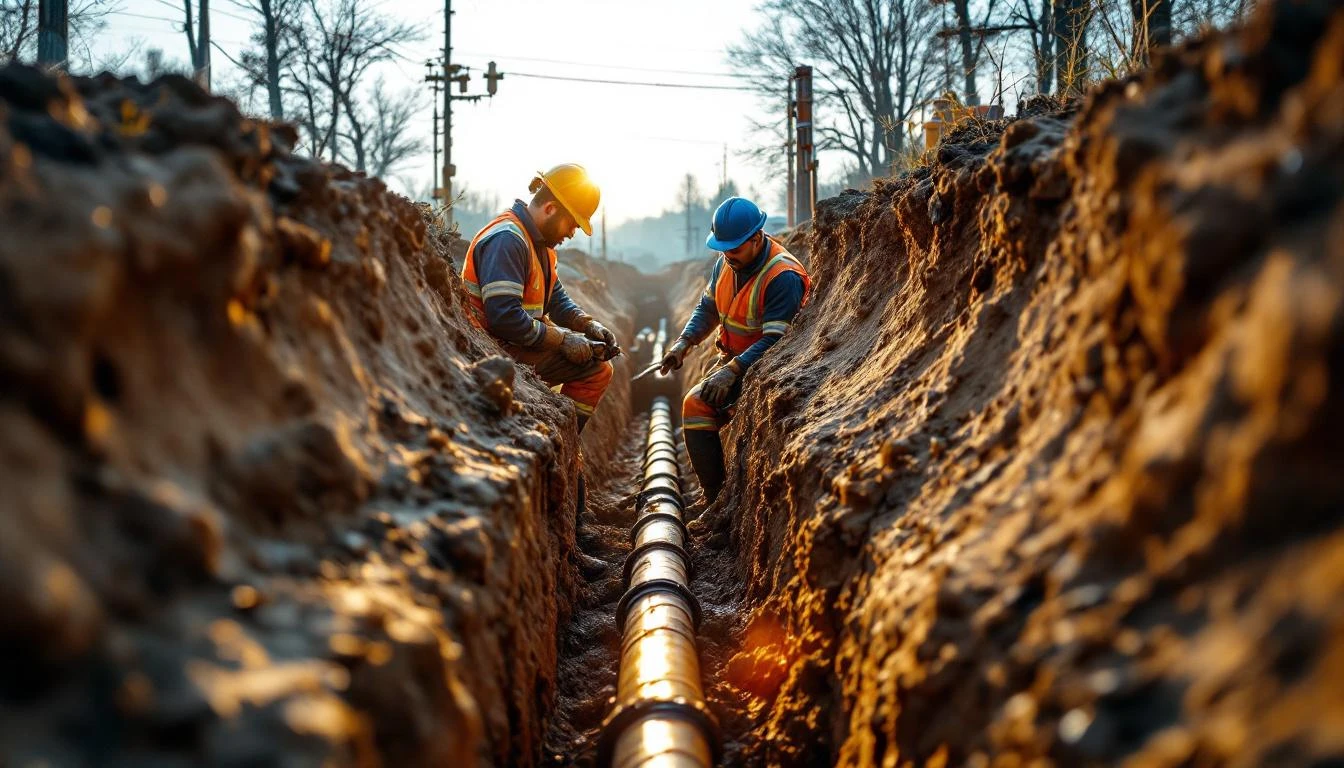
Sell Your Water and Wastewater Business
We make direct introductions to 100+ active buyers, including PE platforms, family offices, and search funders. Complete confidentiality. No fees to sellers, no exclusivity, walk away anytime.
Quick Answer
If you are looking to sell your water and wastewater business, most operators trade at roughly 4x to 8x EBITDA, with specialty contractors and infrastructure-focused operators commanding the higher end. The biggest drivers are recurring municipal and utility contracts, long-term agreements, bonding capacity, and specialized capability. Water and sewer infrastructure is essential, regulated work with durable demand, which is why private equity and strategic infrastructure buyers actively compete to acquire water services, wastewater, sewer, and underground utility businesses.
Updated May 2026 · 11 min read
Key Takeaways
- For 2026 how to sell a recycling business with multiples by subsegment (scrap, MRF, plastics, e-waste) and named buyers (Radius, Republic, GFL, Casella), see our guide.
- Water and wastewater work is essential and regulated, with durable demand driven by aging infrastructure and ongoing municipal investment.
- Recurring municipal and utility contracts are the number one driver.
- The same issues come up in nearly every water and wastewater deal that stalls or trades low: Bid-only, project revenue.
- Most water and wastewater acquisitions pay 60% to 80% cash at close , with the balance in an earnout and, with platform buyers, rollover equity .
What Is My Water and Wastewater Business Worth, and How Do I Sell It?
For 2026 how to sell a recycling business with multiples by subsegment (scrap, MRF, plastics, e-waste) and named buyers (Radius, Republic, GFL, Casella), see our guide. For 2026 selling a septic business in Texas with TCEQ licensing, multiples by operator scale, and buyer pool, see our guide. Water and wastewater infrastructure is essential, regulated work with durable demand, and valuations reflect it. Most operators trade at roughly 4x to 8x.
For 2026 how to sell a recycling business with multiples by subsegment (scrap, MRF, plastics, e-waste) and named buyers (Radius, Republic, GFL, Casella), see our guide.
For 2026 selling a septic business in Texas with TCEQ licensing, multiples by operator scale, and buyer pool, see our guide.
Water and wastewater infrastructure is essential, regulated work with durable demand, and valuations reflect it. Most operators trade at roughly 4x to 8x EBITDA, with specialty contractors and infrastructure-focused operators at the higher end.
| Profile | Typical multiple | Why |
|---|---|---|
| General contractor | 3x to 5x | Bid-driven, lumpier revenue |
| Recurring municipal work | 5x to 7x | Contracted, repeat utility revenue |
| Specialty / infrastructure | 6x to 8x+ | Specialized capability, bonding, scale |
Recurring contracts and specialized capability drive the top of the range. Use our valuation calculator to see where your numbers land.

What Is Your Water and Wastewater Business Actually Worth?
Recurring municipal contracts, long-term agreements, bonding capacity, and specialized capability all move your multiple. Run the calculator for a quick valuation range, or send us a note for a personalized response.
2-minute calculator. No email required to see your range.
Why Buyers Compete for Water and Wastewater Businesses
Water and wastewater work is essential and regulated, with durable demand driven by aging infrastructure and ongoing municipal investment. That makes it attractive to both private equity and strategic infrastructure buyers seeking recurring revenue and barriers to entry. Buyers are not just buying revenue; they are buying municipal relationships, bonding capacity, and specialized crews. A water and wastewater business with recurring utility contracts and specialized capability is exactly what the.
Water and wastewater work is essential and regulated, with durable demand driven by aging infrastructure and ongoing municipal investment. That makes it attractive to both private equity and strategic infrastructure buyers seeking recurring revenue and barriers to entry.
Buyers are not just buying revenue; they are buying municipal relationships, bonding capacity, and specialized crews. A water and wastewater business with recurring utility contracts and specialized capability is exactly what the most active acquirers target.
What Separates a 4x Water and Wastewater Business From an 8x Business
Recurring municipal and utility contracts are the number one driver. Long-term agreements and repeat utility work give buyers predictable revenue, far more valuable than one-off bid jobs. Long-term agreements. Contracted, multi-year work is highly valued. Bonding capacity. Strong bonding supports larger projects and signals financial health. Specialized capability. Pipeline, sewer, and underground utility expertise commands a premium. Management and crew depth. A business that runs without the owner is far.
Recurring municipal and utility contracts are the number one driver. Long-term agreements and repeat utility work give buyers predictable revenue, far more valuable than one-off bid jobs.
- Long-term agreements. Contracted, multi-year work is highly valued.
- Bonding capacity. Strong bonding supports larger projects and signals financial health.
- Specialized capability. Pipeline, sewer, and underground utility expertise commands a premium.
- Management and crew depth. A business that runs without the owner is far easier to acquire.
- Clean financials. Documented contracts and clear add-backs speed diligence.

Red Flags That Lower Water and Wastewater Business Valuations
The same issues come up in nearly every water and wastewater deal that stalls or trades low: Bid-only, project revenue. A book without recurring contracts is harder to underwrite. Owner dependence. If the owner holds the municipal relationships, buyers price in transition risk. Customer concentration. Heavy reliance on one municipality triggers a haircut. Thin margins. Aggressive bidding and poor job costing erode the multiple. Messy financials. Unclear add-backs slow diligence.
The same issues come up in nearly every water and wastewater deal that stalls or trades low:
- Bid-only, project revenue. A book without recurring contracts is harder to underwrite.
- Owner dependence. If the owner holds the municipal relationships, buyers price in transition risk.
- Customer concentration. Heavy reliance on one municipality triggers a haircut.
- Thin margins. Aggressive bidding and poor job costing erode the multiple.
- Messy financials. Unclear add-backs slow diligence.
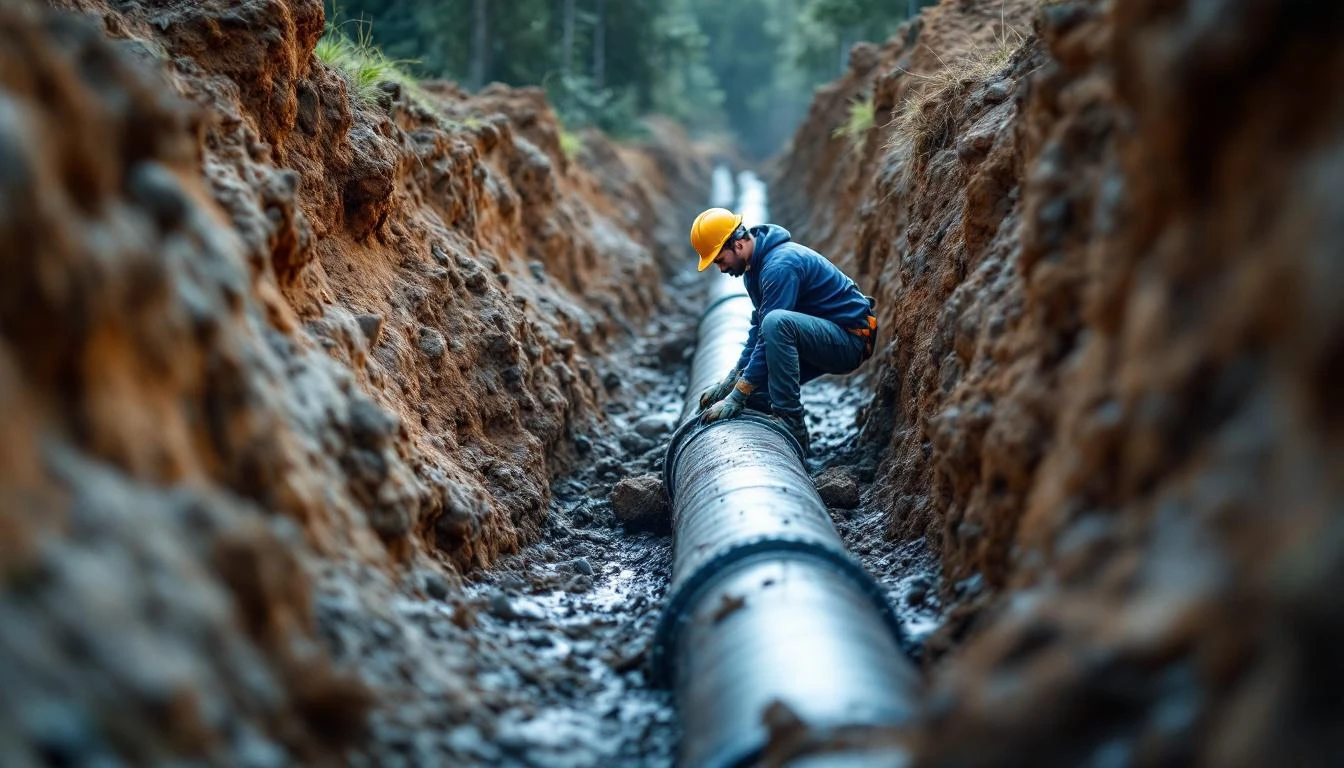
Typical Water and Wastewater Business Deal Structure
Most water and wastewater acquisitions pay 60% to 80% cash at close , with the balance in an earnout and, with platform buyers, rollover equity . Cash at close: 60% to 80%, higher for recurring-contract operators. Earnout: tied to revenue retention over 12 to 24 months. Rollover equity: 10% to 20% is common with PE platforms.
Most water and wastewater acquisitions pay 60% to 80% cash at close, with the balance in an earnout and, with platform buyers, rollover equity.
- Cash at close: 60% to 80%, higher for recurring-contract operators.
- Earnout: tied to revenue retention over 12 to 24 months.
- Rollover equity: 10% to 20% is common with PE platforms.
Who Is Actually Buying Water and Wastewater Businesses?
The water and wastewater buyer universe is deep:.
The water and wastewater buyer universe is deep:
PE-Backed Infrastructure Platforms
Private-equity-backed infrastructure platforms acquiring operators as add-ons.
Strategic Infrastructure Acquirers
Larger utility and infrastructure services companies expanding capability and geography.
Regional Consolidators
Mid-size operators rolling up a single region.
Search Funds and Independent Sponsors
Individual buyers acquiring a water and wastewater business as a platform.
Curious what your water and wastewater business would sell for?
A 15-minute confidential call gives you a real valuation range and tells you which buyers would compete for your business. No cost, no obligation, no pressure to sell.
How to Sell a Water and Wastewater Business: The Process
If you are researching how to sell your water and wastewater business, the process is more controlled than most owners expect. It is not a public listing. It is a confidential, competitive process run directly with the buyers most likely to pay the most: Confidential consultation. We learn about your water and wastewater business, your goals, and your timeline, and give you an honest read on your valuation range. Valuation.
If you are researching how to sell your water and wastewater business, the process is more controlled than most owners expect. It is not a public listing. It is a confidential, competitive process run directly with the buyers most likely to pay the most:
- Confidential consultation. We learn about your water and wastewater business, your goals, and your timeline, and give you an honest read on your valuation range.
- Valuation and positioning. We help you present your strengths to maximize the multiple.
- Targeted introductions. We introduce you directly to PE-backed infrastructure platforms, strategic acquirers, and regional consolidators mandated to buy these businesses.
- Deal support through closing. We stay involved through LOI, due diligence, and closing so the final terms reflect what your business is worth.
CT Acquisitions is paid by the buyer at close, so there is no cost to you as the seller.
Why We’re Different From a Traditional Business Broker
Most owners assume selling means hiring a business broker, signing a 12-month exclusive listing agreement, and paying a hefty success fee out of their proceeds. CT Acquisitions works differently. We are a buy-side M&A partner, not a seller’s broker: The buyer pays our fee, not you. 100% of the agreed price goes to you. No exclusivity, no lock-in. No retainer and no contract until a deal you choose to accept.
Most owners assume selling means hiring a business broker, signing a 12-month exclusive listing agreement, and paying a hefty success fee out of their proceeds. CT Acquisitions works differently. We are a buy-side M&A partner, not a seller’s broker:
- The buyer pays our fee, not you. 100% of the agreed price goes to you.
- No exclusivity, no lock-in. No retainer and no contract until a deal you choose to accept closes.
- Direct buyer relationships, not a public listing. We introduce you confidentially to 100+ active buyers already mandated to acquire these businesses.
- We work for the deal, not the listing. Our job runs through LOI, diligence, and closing.
How Long Does It Take to Sell a Water and Wastewater Business?
For a well-prepared water and wastewater business, a typical sale runs four to seven months from first conversation to close: a few weeks to organize financials, several weeks to run a confidential buyer process, a couple of weeks to negotiate a letter of intent , and six to ten weeks of due diligence and legal work to closing.
For a well-prepared water and wastewater business, a typical sale runs four to seven months from first conversation to close: a few weeks to organize financials, several weeks to run a confidential buyer process, a couple of weeks to negotiate a letter of intent, and six to ten weeks of due diligence and legal work to closing. Clean financials speed diligence; owner dependence and customer concentration are the most common reasons a deal stalls. Our owner’s exit checklist walks through what to have ready.
When Is the Best Time to Sell a Water and Wastewater Business?
The best time to sell is when buyer demand, your financial trajectory, and your personal readiness line up, and right now the first of those is unusually strong. Consolidation in this sector is at a multi-year peak. Buyers pay the most for a business on an upward trend, so the strongest outcomes come from selling after two to three years of steady growth. If you expect to exit within two.
The best time to sell is when buyer demand, your financial trajectory, and your personal readiness line up, and right now the first of those is unusually strong. Consolidation in this sector is at a multi-year peak. Buyers pay the most for a business on an upward trend, so the strongest outcomes come from selling after two to three years of steady growth. If you expect to exit within two to three years, the most valuable move today is a confidential conversation about where your business stands.
How to Prepare Your Water And Wastewater Business for Sale
The owners who get the strongest outcomes start preparing well before they go to market. If you are thinking about how to sell your water and wastewater business, these are the steps that move your valuation the most and make the process faster: Get your financials clean and reviewed. Three years of clear profit and loss statements, balance sheets, and tax returns, with personal expenses separated out and add-backs documented.
The owners who get the strongest outcomes start preparing well before they go to market. If you are thinking about how to sell your water and wastewater business, these are the steps that move your valuation the most and make the process faster:
- Get your financials clean and reviewed. Three years of clear profit and loss statements, balance sheets, and tax returns, with personal expenses separated out and add-backs documented. Clean books are the single biggest lever on diligence speed and buyer confidence.
- Lock in recurring and contracted revenue. Buyers pay the most for predictable revenue. Renew agreements, document your recurring base, and show the retention data behind it.
- Reduce owner dependence. If the business cannot run a week without you, that is a discount. Build a management layer, delegate key relationships, and document your processes so a buyer sees a business, not a job.
- Tidy up operations and the asset base. Resolve aged receivables, address any licensing or compliance gaps, and make sure equipment and systems are in good order before a buyer looks closely.
- Understand your valuation range early. Know what a water and wastewater business like yours is worth, and what would lift it, before you talk to buyers. That is the difference between negotiating from data and negotiating from hope.
You do not have to do all of this alone. A confidential conversation early gives you a clear, honest read on where your business stands and exactly what to fix before you go to market. Our owner’s exit checklist covers the full pre-sale preparation list.
Thinking About Selling? Let’s Talk.
15 minutes, confidential, no contract, no cost, no fees to sellers. You leave with a clear sense of what your water and wastewater business is worth, who would compete to buy it, and whether now is the right time. If selling is not the right move, we will tell you that directly.

About the Author
Christoph Totter is the founder of CT Acquisitions, a buy-side partner headquartered in Sheridan, Wyoming. We work directly with 100+ buyers: search funders, family offices, lower middle-market PE, and strategic consolidators. The buyers pay us when a deal closes, not the seller. No retainer, no exclusivity, no contract until close. Connect on LinkedIn · Get in touch
Frequently Asked Questions
How do I sell my water services business?
Start with a confidential conversation, not a public listing. To sell your water and wastewater business on the best terms, you want to reach the buyers most likely to pay the most, PE-backed infrastructure platforms, strategic acquirers, and regional consolidators. CT Acquisitions introduces you directly to active buyers, runs a competitive process, and is paid by the buyer at close, so there are no fees to you as the seller.
What is my water and wastewater business worth?
Most water and wastewater businesses sell for 4x to 8x EBITDA, with specialty and infrastructure-focused operators at the higher end. Recurring municipal contracts, long-term agreements, and bonding capacity are the biggest factors.
How do I sell my wastewater, sewer, or underground utility business?
The process is the same whether you run a water services business, a wastewater business, a sewer business, a pipeline business, or an underground utility operation. What matters to buyers is recurring municipal contracts and specialized capability. We position those strengths and introduce you to the most active acquirers.
Will my employees know I am selling?
No. The process is fully confidential. Your water and wastewater business is never publicly listed. Employees and customers are not informed unless and until you decide to tell them, typically after a deal is signed.
How much does CT Acquisitions charge?
Nothing. CT Acquisitions is paid by the buyer at close, so there is no cost to you as the seller. No retainer, no listing fee, no success fee.
Related Resources